
Katrina Marble: Color, Veining, and Where Designers Use It
Designers and architects often seek stone that bridges the gap between classic neutral tones and the distinct movement found in more exotic imports. Katrina marble from Egypt serves this purpose well, offering a muted, consistent palette that integrates into high-end residential and commercial interiors. Unlike stones that demand total focus, this variety acts as a reliable foundation, allowing other design elements to breathe while maintaining the innate warmth of natural stone.
When sourcing from providers like Stone Castle, understanding the physical characteristics of this stone is essential for successful installation. Because natural variations occur across different extraction blocks, the focus must remain on the specific batch qualities rather than idealized photos. This guide breaks down the aesthetic and technical aspects of Katrina, helping specifiers determine if it fits their upcoming design projects, from wall cladding to expansive flooring.
Visual Characteristics and Katrina Slab Appearance
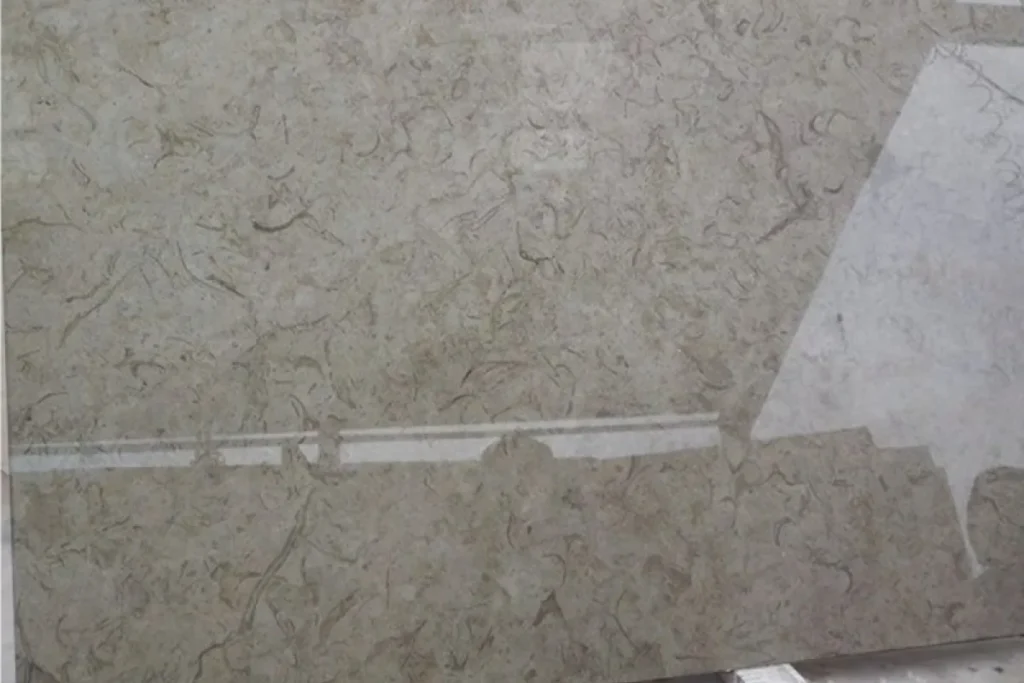
The primary aesthetic appeal of this marble lies in its light, sandy beige background. Unlike pure white marbles, Katrina carries a subtle depth that feels organic, characterized by soft, cloudy veining that rarely interrupts the surface with harsh contrasts. When you examine a Katrina slab appearance in a warehouse, look for the consistency in the base color. It is typically a warm cream or light tan, which serves as a neutral backdrop for interior spaces that favor transitional or modern minimalist styles.
Veining patterns in this stone are usually linear or diffuse rather than chaotic. You will often see gentle shifts in tone that create a sense of movement across a large installation. Because it is a sedimentary stone, it lacks the crystalline sparkle of harder, metamorphic varieties. Instead, it offers a matte, sophisticated finish that thrives in rooms with ample natural light, where the sun can pick up the soft gradations of color across the floor or wall. Can a room feel both expansive and cozy? With the right application of Katrina, the answer is yes.
Specifications and Installation Prep
Reviewing the Katrina specification notes before placing a purchase order is the most effective way to avoid site delays. You should explicitly check the thickness tolerances, as Egyptian marble blocks can vary slightly depending on the sawing process. Standard practice requires requesting a dry lay or a bundle inspection if the project entails large-format flooring. This process allows installers to group similar slabs together, ensuring that the veining flow feels intentional rather than disjointed.
From a technical standpoint, Katrina is generally softer than granite or quartz. It is porous, which means it demands a high-quality impregnating sealer immediately after installation. If you are specifying this for a high-traffic area, prioritize a honed finish over a polished one. A honed surface hides minor scratches and traffic patterns far better than a high-gloss finish, which will eventually dull in heavy-use zones. For bathrooms, ensure the material is treated for moisture resistance to prevent staining from soap, oils, or dark-colored toiletries.
Architectural Applications: Where Katrina Shines
The beauty of this Egyptian import lies in its versatility. Because it lacks the aggressive, high-contrast veining of Calacatta or Nero Marquina, it excels in large-scale applications. Think of wall-to-wall flooring in open-plan offices or hotel lobbies. In these settings, the stone provides a seamless, monolithic look that grounds the space without overwhelming the furniture or artwork.
Residential designers frequently utilize Katrina for kitchen backsplashes and bathroom vanity surrounds. When paired with light wood cabinetry—think white oak or bleached walnut—the stone creates an airy, Mediterranean-inspired aesthetic. It also performs exceptionally well in fireplace surrounds. The heat resistance of marble makes it a safe choice for hearths, and the sandy beige tones pair beautifully with the glow of a fire, turning a standard fireplace into a focal point of comfort.
Common Pitfalls in Specification
The most common mistake when specifying Katrina is failing to account for porosity. Some designers assume that because it is a “marble,” it functions identically to dense varieties like Carrara. In reality, Egyptian stones can be more absorbent. If you are using this in a kitchen with frequent red wine spills or heavy citrus use, you must educate your client on maintenance. If they are not willing to wipe down the counters regularly, suggest a different application, such as wall cladding or secondary bathroom vanities.
Another error involves color matching between tiles and slabs. If your project requires both custom vanity tops (slabs) and bathroom flooring (tiles), order them from the same production block whenever possible. Even with consistent stone, slight variations in the quarrying process can lead to noticeable differences between batch types. A reputable supplier should be able to cross-reference your order to ensure the tiles and slabs come from the same extraction cycle.
Working with Egyptian Stone Suppliers
Sourcing directly from Egypt requires clear communication regarding finish and grading. Requesting physical samples is mandatory. Do not rely on digital images sent over email, as screen calibration often shifts the beige tones toward pink or yellow, which can be disastrous on-site. Always request a “current stock photo” of the specific bundle being shipped to your site. This allows you to verify the intensity of the veining before the material is cut.
If you are working with an importer, ask about their quality control process regarding epoxy filling. Many commercial-grade marbles receive resin treatments to fill natural fissures and pits. If you are aiming for a strictly “natural” aesthetic, specify that you want minimal resin usage. Keep in mind that some level of filling is necessary for structural integrity, but the aesthetic impact should be negligible if the supplier follows high-quality finishing standards.
Maintenance Expectations for Clients
After the installation is complete, the longevity of Katrina depends entirely on the seal and the owner’s habits. Educate the client on the “water drop test”: if water stops beading on the surface, the sealer is failing and needs to be reapplied. For daily cleaning, avoid acidic cleaners like vinegar or lemon juice. Stick to neutral, pH-balanced stone cleaners. This simple step preserves the soft, sandy luster of the stone for decades, preventing the dullness that comes from chemical etching.
If the marble does get etched, don’t panic. One of the benefits of a honed Katrina finish is that a professional stone restorer can easily buff out minor marks. This is a significant advantage over engineered quartz, which, once damaged, is almost impossible to repair without replacing the entire piece. Natural stone lives, breathes, and ages; if the client appreciates the “lived-in” character of stone, they will likely find that the maintenance of Katrina is a fair trade for the timeless warmth it adds to their home.
Designing for Longevity
As trends shift away from high-contrast, bold patterns, Katrina is seeing a resurgence in popularity. It represents a return to understated elegance. When you choose a material that doesn’t fight for attention, you give the rest of your design room to breathe. Use it in a monochromatic scheme to create a calming sanctuary, or use it as a base to anchor bolder accessories and furniture pieces. Either way, Katrina provides the structure and the warmth that only a high-quality, sedimentary natural stone can offer. By paying attention to the details—sealing, finishing, and batch sourcing—you ensure that this Egyptian classic remains a staple in your portfolio for years to come.
Integrating Katrina into Modern Spaces
When applying Katrina to modern commercial spaces, the approach changes slightly. In retail environments or high-traffic lobbies, consider installing the stone in a “book-matched” format if the veining allows, or stick to a uniform, randomized layout for a more grounded feel. For corporate offices, using a honed finish helps reduce glare from overhead LED lighting, which is a common complaint in offices featuring polished surfaces. The soft, matte finish of Katrina absorbs light beautifully, reducing eye strain while maintaining a clean, professional aesthetic.
Furthermore, consider the grout lines. For a seamless floor installation, use color-matched epoxy grout. Because Katrina has such a subtle, diffuse pattern, wide or contrasting grout lines will break the visual flow and make the floor look like a grid rather than a solid piece of stone. Selecting a grout color that precisely matches the lightest tone in the stone will create that “slab-like” appearance that high-end clients crave.
Sourcing Logistics: What to Ask Your Supplier
To ensure your project remains on schedule, clarify the lead times for custom fabrication. Because Katrina is often exported from Egypt, international shipping times can fluctuate based on port congestion and quarry output. When you place an order, ask your supplier for the following: the specific quarry origin, the expected block date, and the estimated arrival at the local warehouse. If you have a large project requiring multiple containers, stagger the arrivals so your installation team isn’t left waiting for the second half of the material.
Verify whether the supplier provides “cut-to-size” services at the factory level. Cutting stone in the factory is generally more precise than field-cutting and significantly reduces waste. It also ensures that edge profiles—like bullnose or eased edges—are consistent across every piece of stone. If you are sourcing for a high-end residential kitchen, the quality of the edge profile often dictates the perceived luxury of the material. A clean, precise edge on a Katrina countertop elevates the simple, muted tones of the marble, making it feel bespoke rather than mass-produced.
Environmental Considerations
For designers focused on sustainable building practices, it is worth noting that sourcing natural stone—when done ethically—is often more environmentally friendly than producing engineered surfaces. Unlike quartz, which requires chemical binders and high-heat manufacturing processes, Katrina is quarried, cut, and polished. There are no VOCs (volatile organic compounds) emitted by the stone itself, making it an excellent choice for projects aiming for wellness certifications like WELL or LEED. Always ask your supplier about their quarry’s environmental policies and labor standards to ensure your design choices align with your project’s sustainability goals.
By treating the sourcing and installation of Katrina marble with the same rigor you apply to other high-end materials, you can create spaces that are as durable as they are beautiful. Whether it is the quiet backdrop to a bustling kitchen or the foundation of a serene bathroom, this stone offers a reliable, warm aesthetic that bridges the divide between history and contemporary design. It remains a firm favorite for those who value consistency, quality, and the timeless appeal of natural, unpretentious beauty.
Final Project Considerations
Before closing out your material board, perform a final audit. Have you specified the correct sealer? Does the client understand the care requirements? Is the grout color finalized? By checking these small boxes, you prevent the common frustrations that lead to disputes between contractors and clients. Katrina marble is a reliable performer, provided it is handled with the respect that natural stone deserves. As you move forward with your project, lean into its neutral character and let the stone do what it does best: quietly elevate everything around it.